Health
What losing weight does to testosterone and erections
5 min read
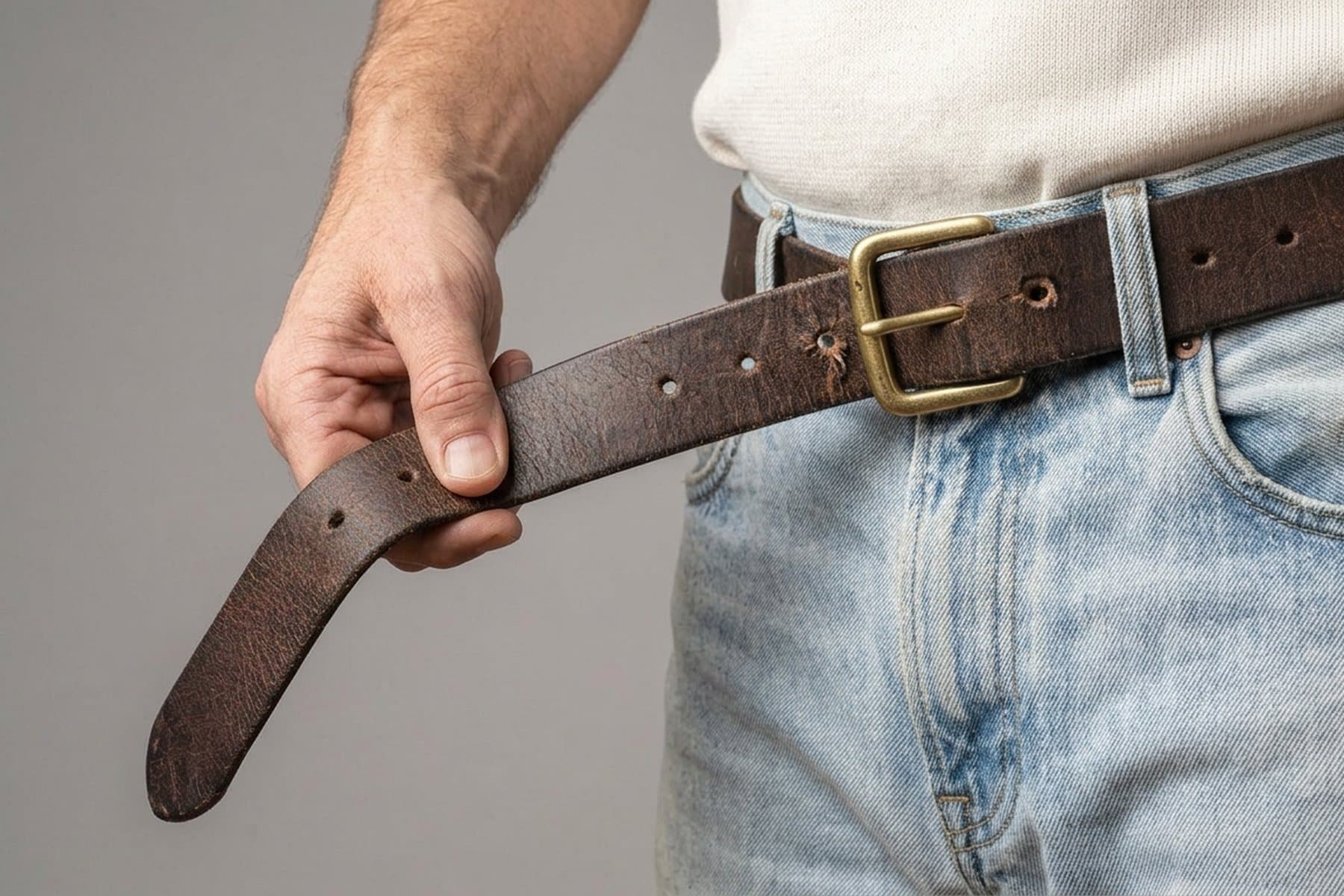
Three of the things men most often ask us about — weight, flat energy and erections that have stopped being reliable — share more biology than most people expect. They are not separate problems that happen to cluster in the same men. Fat tissue is an endocrine organ in its own right, and what it does to hormones and to blood vessels accounts for most of the overlap.
Fat tissue makes its own hormones
Adipose tissue contains aromatase, the enzyme that converts testosterone into oestradiol. The more fat a man carries, the more of that conversion takes place, and the lower his testosterone runs. Visceral fat — the kind packed around the organs rather than sitting under the skin — is the most metabolically active of it.
Excess weight also lowers sex hormone binding globulin, the protein that carries testosterone around the blood. That pulls down the total testosterone figure on a blood test, and in moderate to severe obesity the free, usable fraction falls as well. So the number on the report is low for two different reasons at once.
Then it becomes a loop
Lower testosterone makes fat easier to gain and muscle harder to hold. More fat means more conversion, and lower testosterone again. The loop is slow and it is self-reinforcing, which is why low testosterone in a man carrying significant extra weight is usually a consequence rather than a cause — and why treating it as a primary hormone problem can miss what is actually driving it.
Why erections are affected too
An erection is a circulatory event before it is anything else. The same metabolic picture that drives weight gain — raised blood pressure, disordered lipids, insulin resistance — damages the endothelium, the single-cell lining that tells arteries when to relax. Penile arteries are 1 to 2 mm across, so they register that damage well before the larger vessels do.
Which means erectile dysfunction in a man carrying excess weight usually has at least two mechanisms running at once, vascular and hormonal. Treating only one of them is why some men find a tablet helps less than they hoped.
The one that gets missed: sleep apnoea
Obstructive sleep apnoea is strongly associated with excess weight, and it lowers testosterone independently of everything above — through fragmented sleep and repeated dips in overnight oxygen. It also raises blood pressure and makes daytime fatigue considerably worse.
- Loud snoring, particularly if someone has noticed you stop breathing
- Waking unrefreshed however long you were in bed
- Falling asleep during the day when you did not mean to
- Morning headaches, or waking with a dry mouth
It is diagnosed with a home sleep study and it is treatable. Men who treat it often find their energy, blood pressure and testosterone all move in the right direction without anything else changing.
What losing weight actually changes
The evidence here is better than people assume. Losing 5 to 10 per cent of body weight produces a measurable improvement in erectile function scores, and testosterone rises roughly in proportion to the fat lost. Neither effect requires getting to an ideal weight — a stone off a man who is 17 stone does real work.
Worth being straight about the limits. The men who gain most are those whose numbers were being dragged down by weight in the first place. Where there is genuine testicular failure, or long-standing vascular damage, losing weight helps but does not undo it.
Protect the muscle on the way down
A quarter to a third of the weight lost in any substantial calorie deficit is lean tissue rather than fat. That fraction can run higher on appetite-suppressing medication, simply because intake falls so far. Muscle is where most of your glucose is disposed of, so losing it undercuts the metabolic benefit you were after.
Enough protein and resistance training twice a week is the whole of the answer, and it is not optional. What you keep when treatment stops is what you built while you were on it.
Where medication fits
GLP-1 receptor agonists are a class of prescription-only medicine given as a weekly injection. They slow stomach emptying and reduce appetite, and they are licensed above a BMI of 30, or 27 alongside a weight-related condition. They work with changes to how you eat and move, not instead of them, and weight is usually regained after stopping.
Before paying privately, ask your GP about NHS weight management services. They are tiered, they are free, and they often include the same medicines alongside support that is hard to buy.
If you take one thing from this: get the basics measured before you decide anything. Blood pressure, HbA1c, a lipid profile, a morning testosterone if desire has dropped, and an honest look at how you sleep. Those five results will tell you more about what is going on than any amount of reading.
About this article
Written by The clinical team on 4 Oct 2026. This article is general information and is not a substitute for advice about your own circumstances.
Weight management treatment
Weight management medication can help when diet and activity alone have not been enough. It is not a shortcut, and it is not for everyone: these are licensed medicines with real side effects, used alongside changes to how you eat and move, and they are only licensed above a certain BMI.